Remember The “Customer” In Customer Service

      As a professional in any field, professional courtesy should be a given. Unfortunately, it’s not.

     Customer service reps routinely focus on why they can’t solve a problem rather than how they can. Salespeople often receive orders without sending thanks. And customers are quick to cite poor service but mute in acknowledging exceptional service.

     Following are recommendations for enhancing your professional courtesy, all of which are matters of common sense. The problem with common sense, however, is that it’s not very common.

sponsored by:
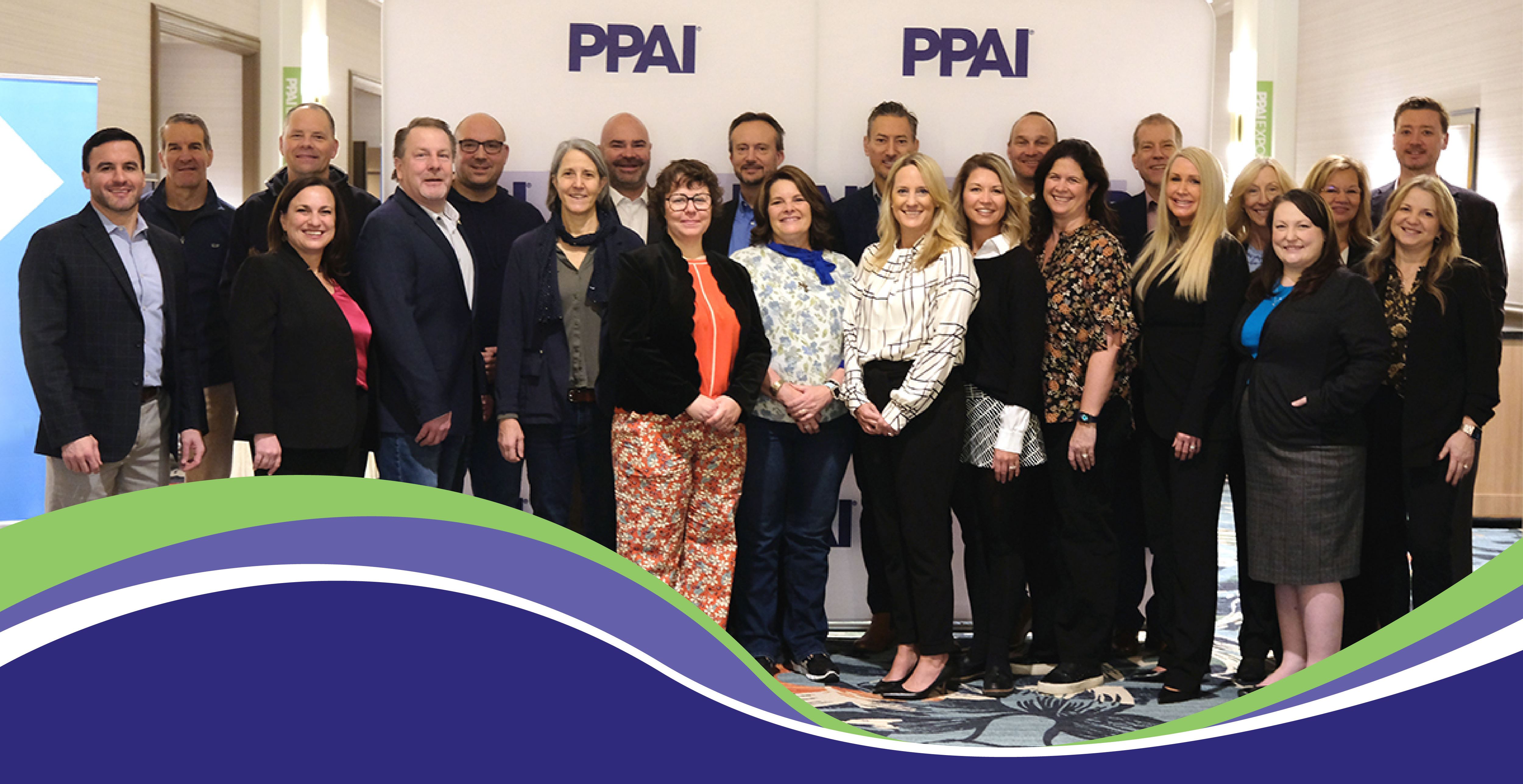
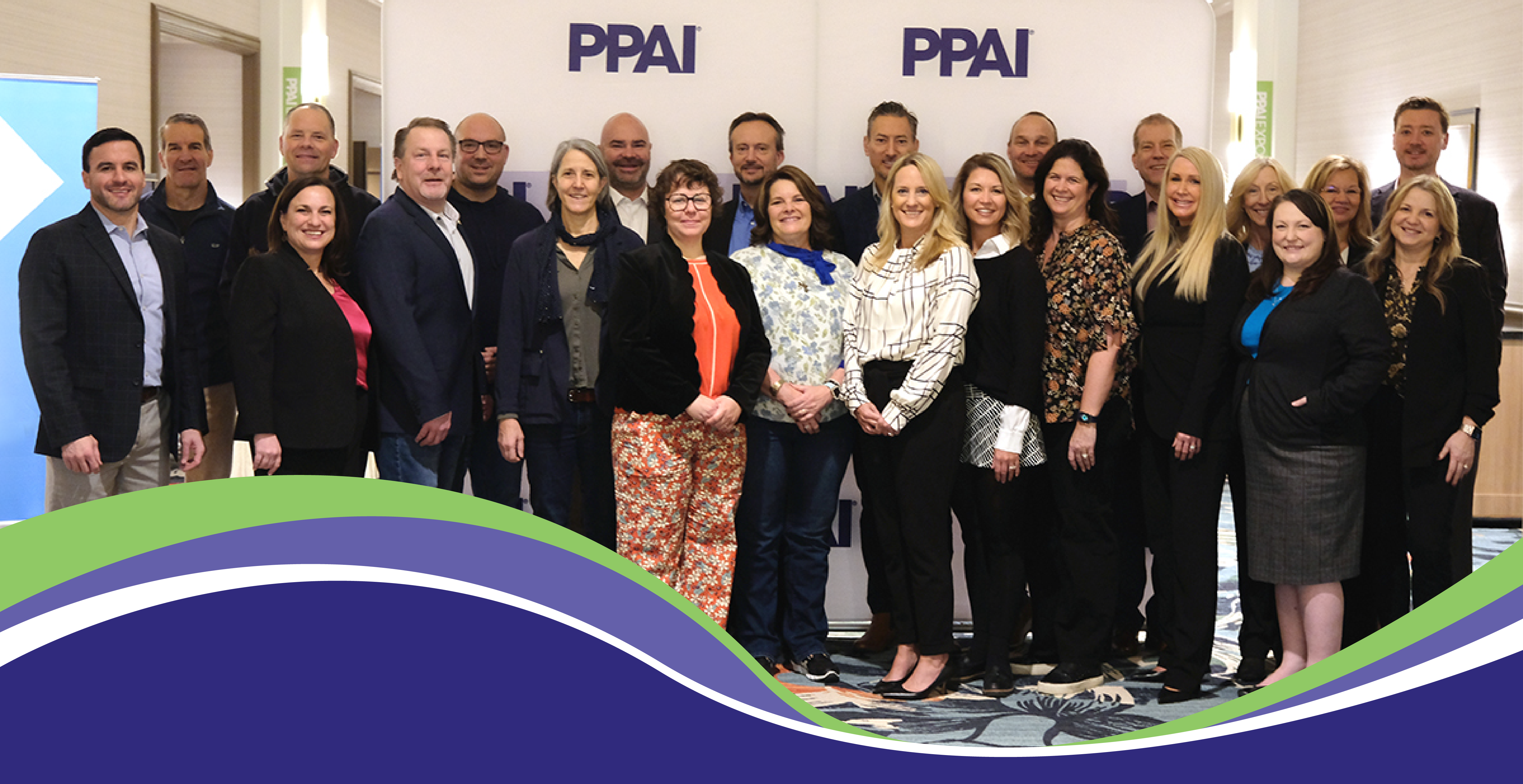
PPAI VOLUNTEER LEADERSHIP

TOP SHELF TIP NO. 50
“A single conversation across the table with a wise man is better than ten years mere study of books.”

Henry Wadsworth Longfellow, American poet, 1807-1887

Board Nominees

Returning Calls And E-Mails

     Isn’t it ironic that companies expect their salespeople to send attention-grabbing voice and e-mail messages while many of their employees fail to return messages themselves? People often complain about receiving unsolicited calls and e-mails yet contribute to the cycle by not responding to the communication. As a matter of courtesy, take a minute and reply with, “Thanks, but no thanks.”

Commendation Letters

     People are quick to complain about poor service yet rarely commend exceptional service. When you receive exceptional service, I urge you to acknowledge it in writing. Besides performance reviews being significantly affected by documented customer experiences, the pride someone feels after unexpected acknowledgment is immense.

Tell ‘Em What You Can Do, Not What You Can’t.

     Too many employees fall into the defensive habit of telling customers what they can’t do rather than what they can. Frankly, your customer doesn’t care if it isn’t your responsibility, if you’ve done all you can do, or that their request isn’t in your job description. The customer wants solutions, not excuses.

When Calling, Ask, “Is This A Good Time?”

      Aside from being courteous, when asking this question, your effectiveness at meeting your call’s objective will likely increase. Do you notice how many salespeople, when calling, slam you with information and intentionally don’t pause? They do this so they won’t be cut off.

     A more professional and effective approach is to simply identify yourself, your company, and ask if this is a good time. The prospect will usually say, “No.” This allows you to briefly state how the caller will benefit from your product/service and to set a specific time to call back.

Put Away The Script

      When asking cursory questions, don’t anticipate and then repeat a canned response. Actually listen to the person’s answer. Remember, when asking any question, don’t just hear the answer; listen to it and understand it.

     Source:Roy Chitwood

 is an author, trainer and consultant in sales and sales management and is president of Max Sacks International, Seattle.


Spacer Image

                   
Spacer Image

Forward email

This email was sent to jennifero@ppai.org by pamw@ppa.org.

Update Profile/Email Address | Instant removal with SafeUnsubscribe™ | Privacy Policy.

Email Marketing by

Promotional Products Association International | 3125 Skyway Circle North | Irving | TX | 75038

Leave a Reply

Your email address will not be published. Required fields are marked *

*

Comments made on this site may be edited or republished in other PPAI publications.